East Gulf Coastal Plain Joint Venture (EGCPJV) Partner and Staff News – October 2026
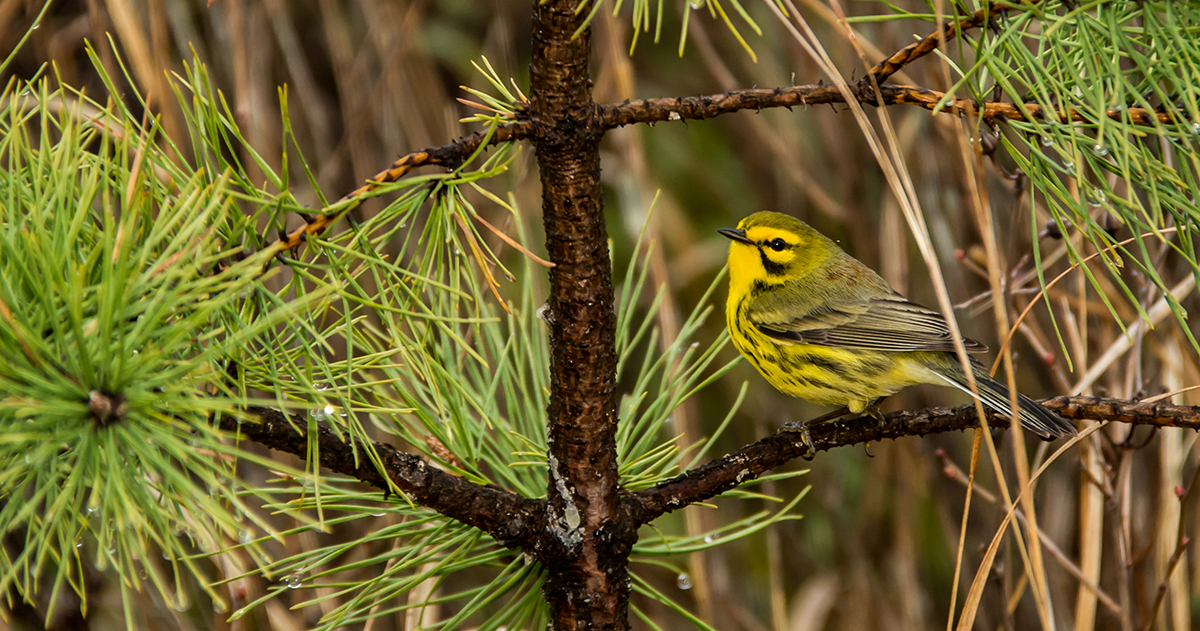
Check out the second Quarterly Report from the East Gulf Coastal Plain Joint Venture.
Check out the second Quarterly Report from the East Gulf Coastal Plain Joint Venture.
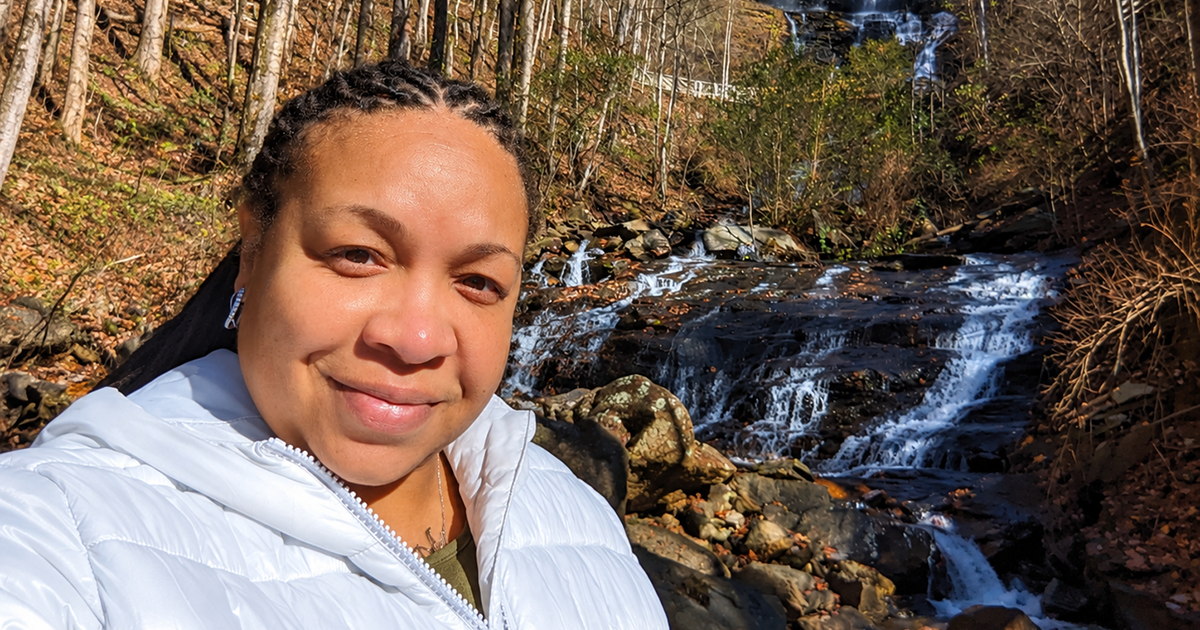
Daffny Pitchford has built a career around two things that continue to guide her work: people and the natural world. She joined the U.S. Fish and Wildlife Service in August 1998 and has spent more than 28 years serving in a wide range of programs and leadership roles across the Southeast.
Across the nation, the U.S. Fish and Wildlife Service’s Partners for Fish and Wildlife Program collaborates with private landowners who share a passion for conservation to improve habitat for the benefit of game species, migratory birds, pollinators, and federally listed species. Through technical and financial assistance, the program seeks to assist landowners in meeting their land management objectives, while also improving habitat for wildlife.
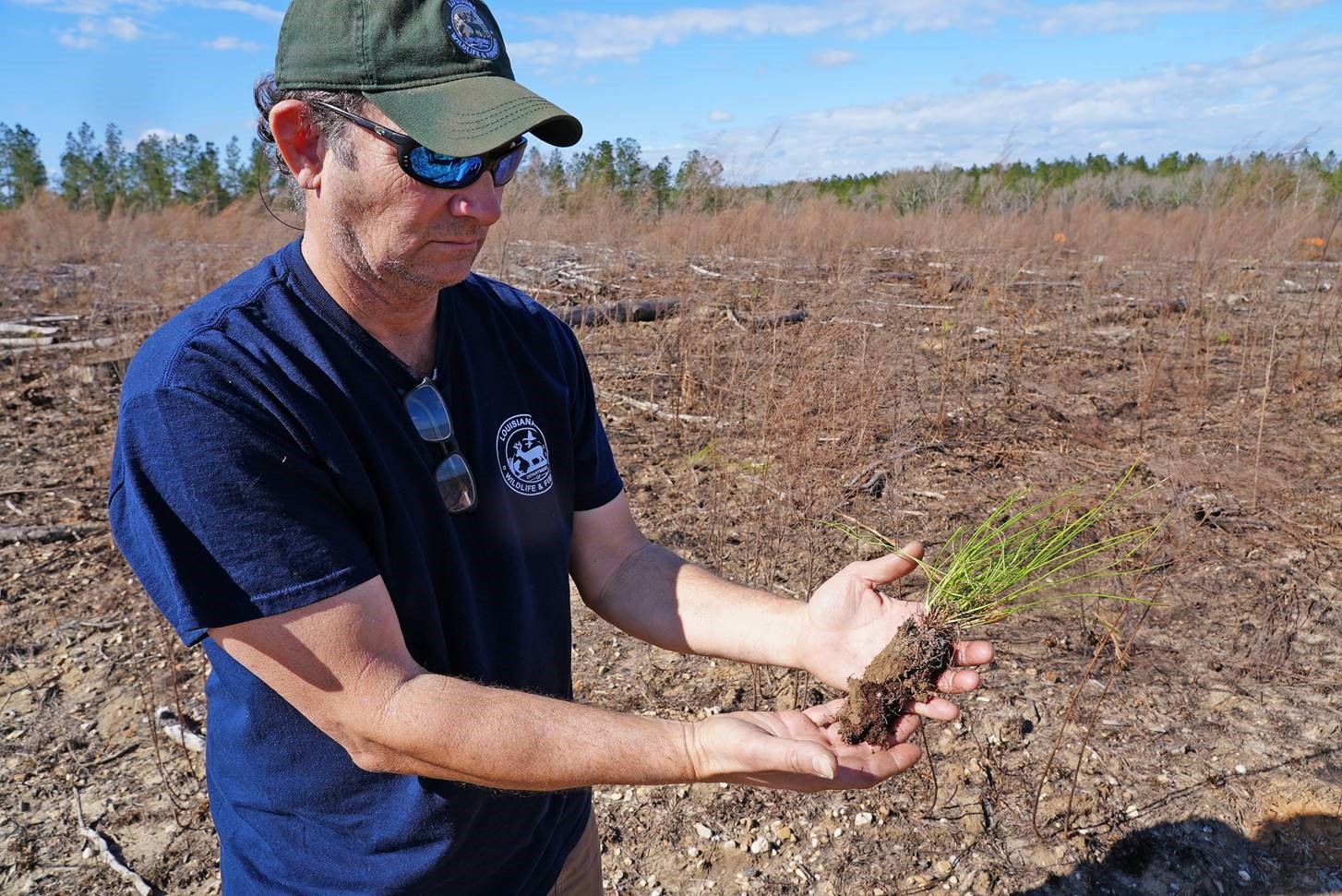
Donald “Duck” Locascio earned a Bachelor of Science in Forestry from Louisiana State University in 1994. His passion for wildlife prompted him to remain at LSU to pursue a master’s degree in wildlife—although some might argue that the opportunity to continue pursuing speckled trout, white-tailed deer, and wild turkeys had something to do with the decision.
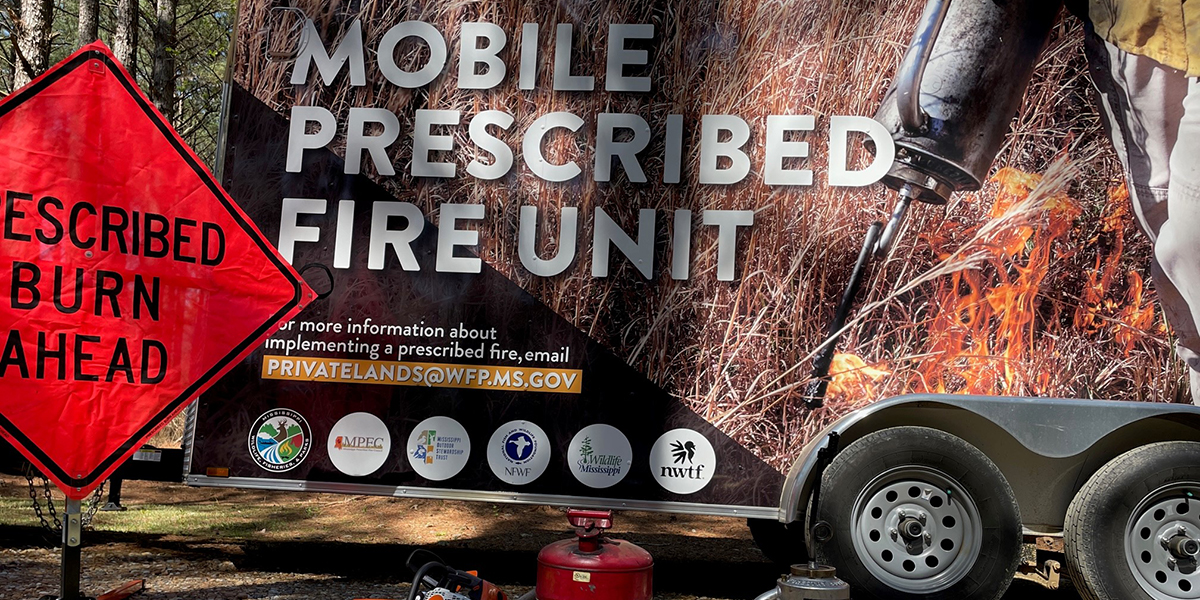
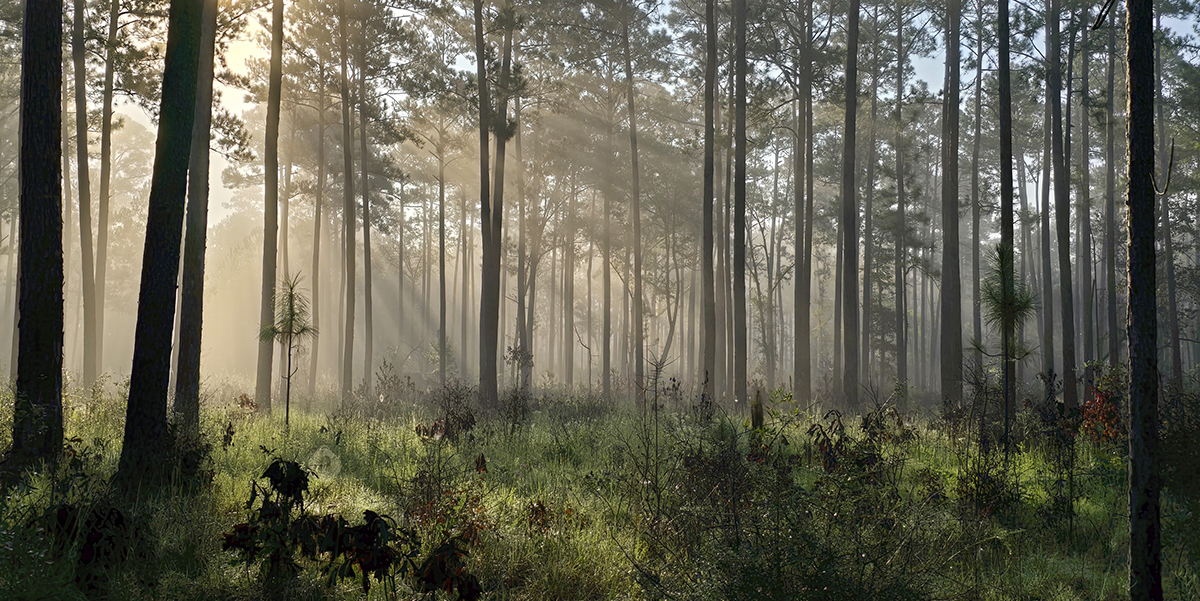
Fire-dependent habitats are among the most biologically diverse natural communities in the East Gulf Coastal Plain. From longleaf pine savannas in the Piney Woods to Blackland Prairies and open woodlands of the Loess Plains, these systems developed with frequent fire.

EGCPJV Partners – We are implementing this new effort to provide news on priority projects and bird conservation successes. Please take a few moments to enjoy our quarterly report, which has links to a new national Joint Venture video and three stories on our new board member, a successful Prescribed Burn Association, and research on … Read more

The EGCPJV welcomes Eric Soehren as a new member on the Management Board. Eric is a Biologist with the Alabama Department of Conservation and Natural Resources (ADCNR) with 29 years of public service.
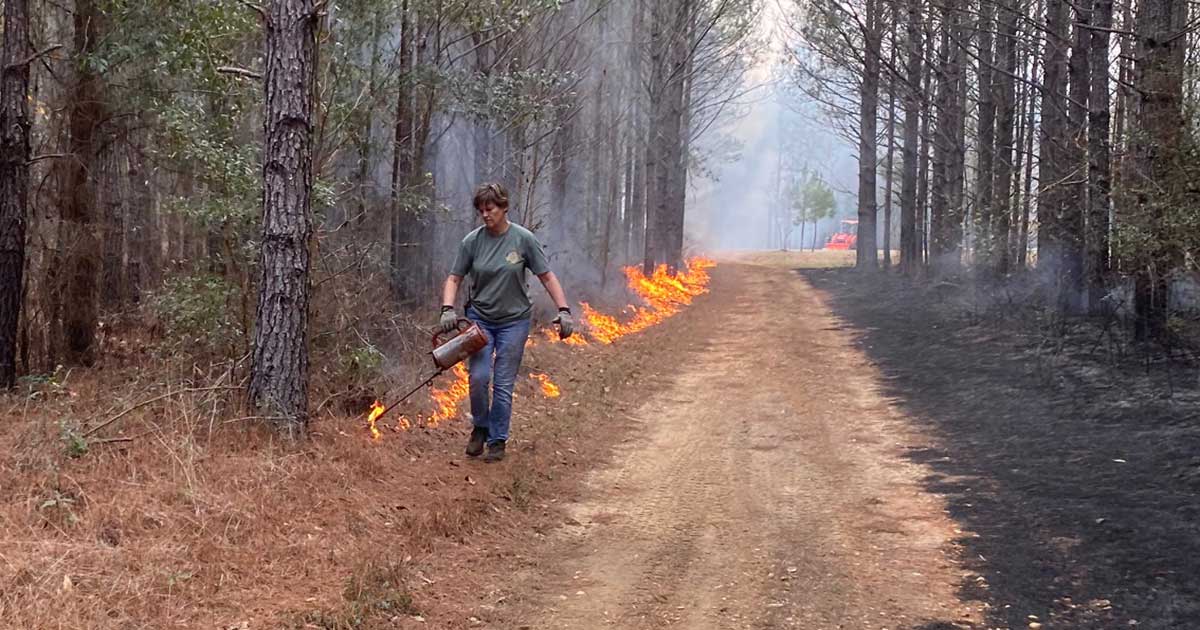
Much of the East Gulf Coastal Plain is defined by landscapes that depend on fire, which historically were started by lightning and Native Americans. Today, land managers and landowners use prescribed fire to maintain healthy, productive ecosystems and support pollinators like monarch butterflies, game species such as deer and turkey, numerous songbirds, and a variety of reptiles and amphibians.
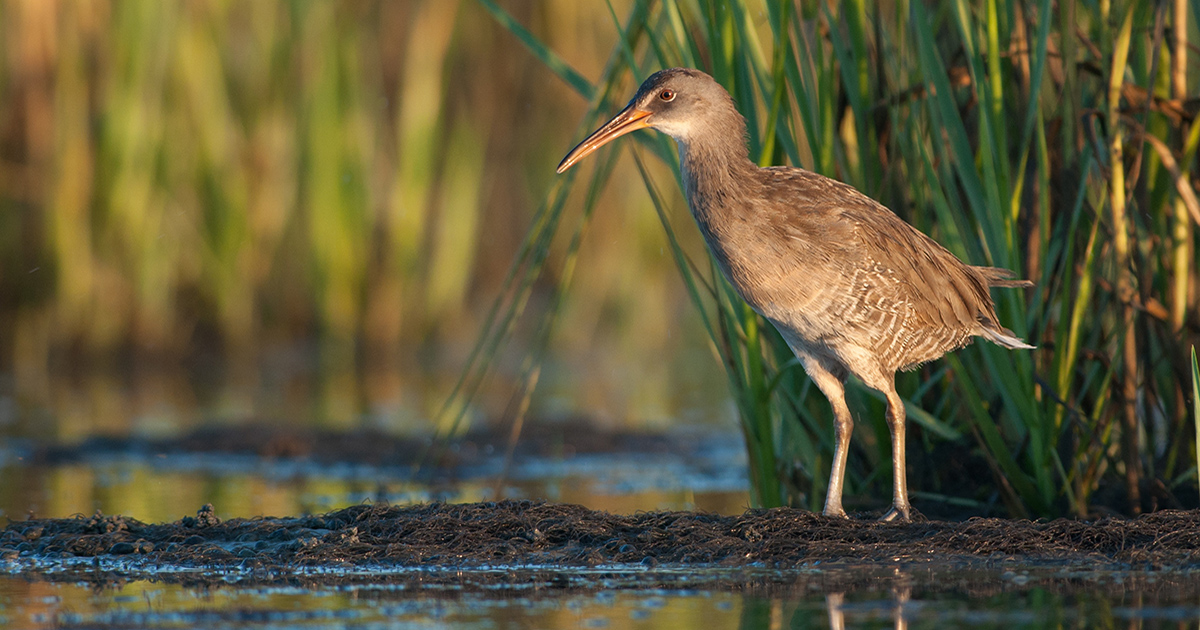
King Rails are an iconic secretive marsh bird species – seldom seen, occasionally heard – as they creep through the dense, tall vegetation in remnants of emergent marsh. Since the 1960’s, populations have declined an estimated 85%. Twelve states classify them as threatened or endangered; they are a Species of Greatest Conservation Need in over … Read more

The Gulf Coastal Plain Ecosystem Partnership (GCPEP), formed in 1996, brings together 19 public and private partners to conserve and restore the longleaf pine ecosystem and unique aquatic resources of northwest Florida and southern Alabama.