


Ensuring the sustainability of priority bird populations, their habitats, and the communities of which they are a part.



East Gulf Coastal Plain JV
The East Gulf Coastal Plain Joint Venture (EGCPJV) is a voluntary public‐private partnership that seeks to strategically advance the conservation of birds and bird habitats in the East Gulf Coastal Plain area. The EGCPJV covers portions of 6 states and partners include state and federal agencies, non-governmental agencies, universities and additional organizations which share our vision of bird conservation. The partnership is currently focused on advancing the science of bird conservation, restoring high priority habitat types, increasing the capacity for prescribed fire, and using effective communications to ensure that the partnership can achieve its vision.
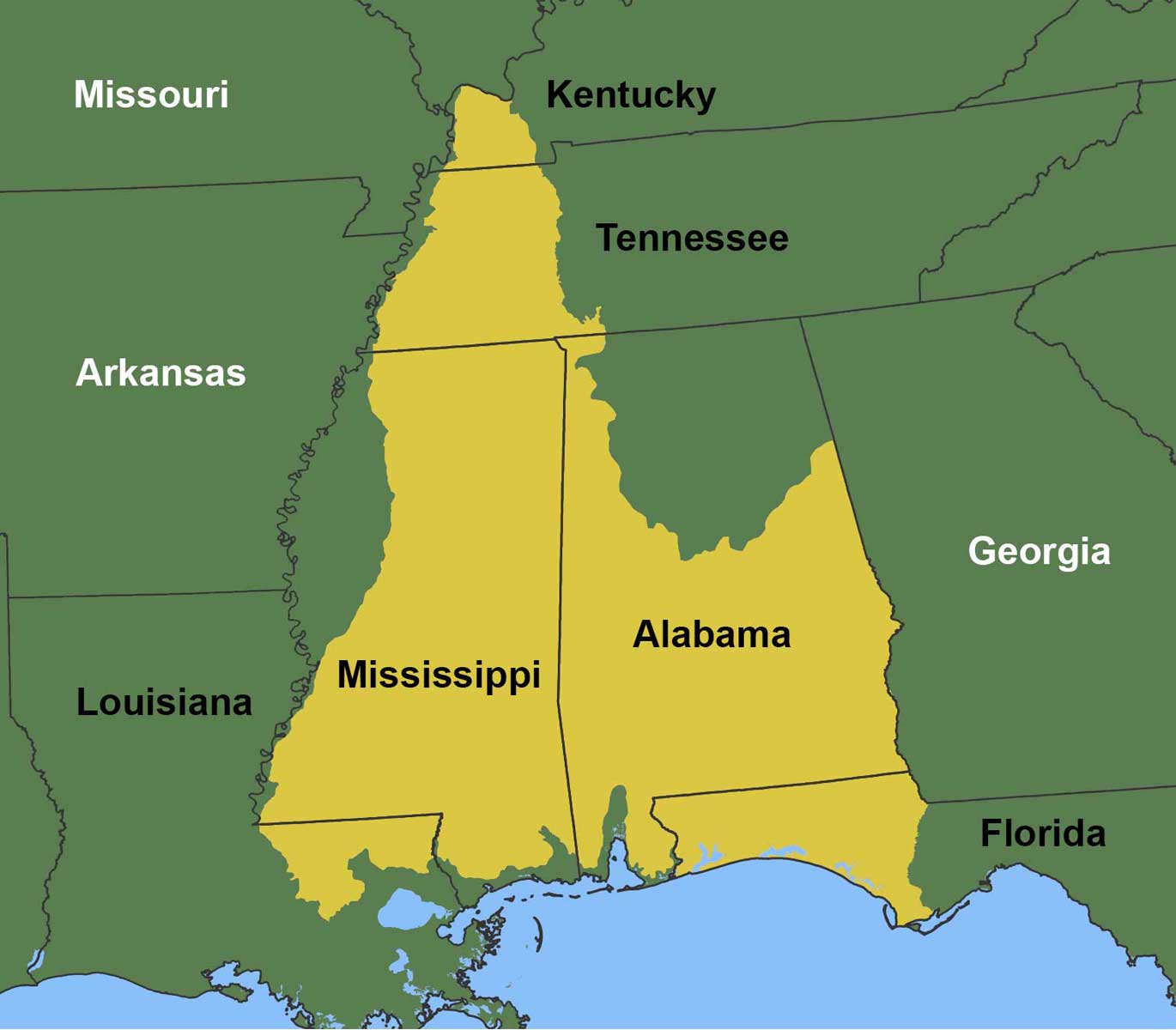
Where We Work
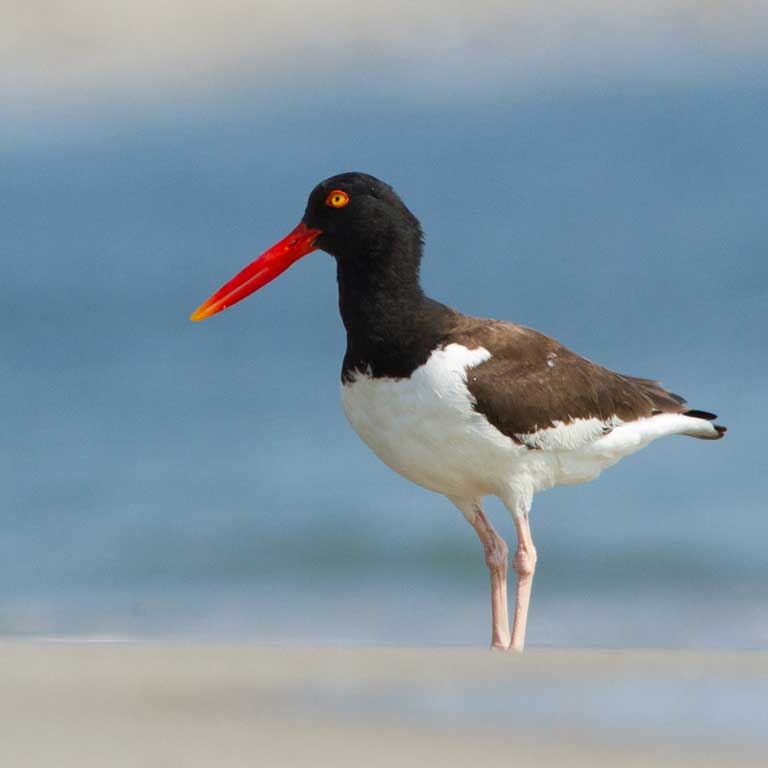
The EGCPJV is a critical link for continental‐scale bird conservation and management. The region provides important breeding, migratory, and wintering habitats for a diversity of species of conservation concern, with over 300 bird species using the region during some portion of their annual cycles.
Over 180 bird species are known to breed in the EGCP. The region supports acreages of longleaf pine and maritime communities and extensive bottomland hardwood forests. These habitat and community types are among the highest priorities for conservation attention in the United States.
Priority Species & Habitats
Since our formation, we have completed the East Gulf Coastal Plain Landbird and Waterbird Conservation Plans, which identify high priority bird species. Our habitat priorities include upland hardwood and pine-hardwood woodlands and forests, eastern interior grasslands, pine dominated woodlands, and savannas, freshwater and coastal wetlands, and eastern scrub shrub.
The EGCPJV is a critical link for continental‐scale bird conservation and management. The region provides important breeding, migratory, and wintering habitats for myriad species of conservation concern, with over 300 bird species using the region during some portion of their annual cycles.

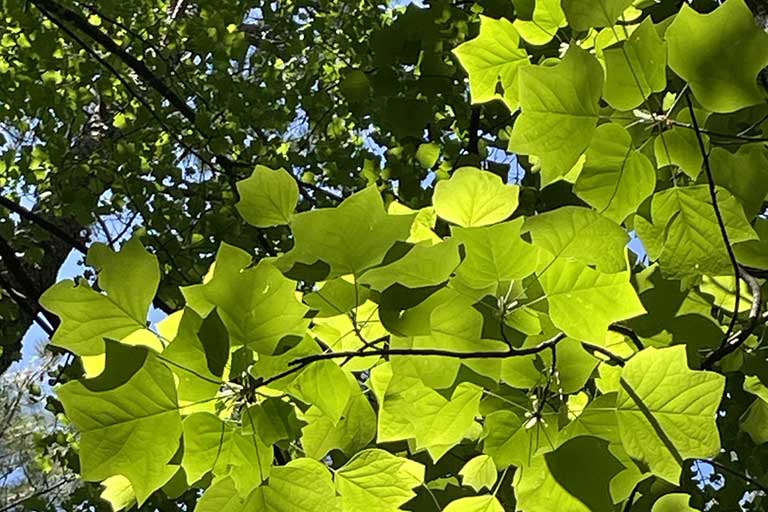
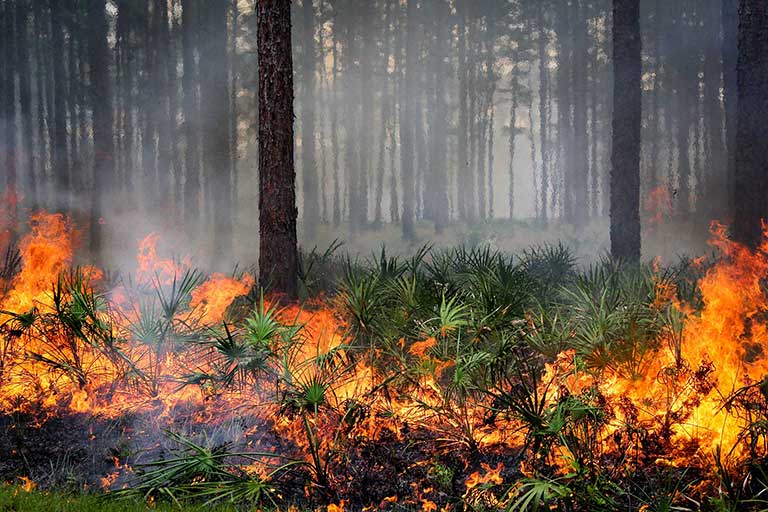

Prescribed Fire
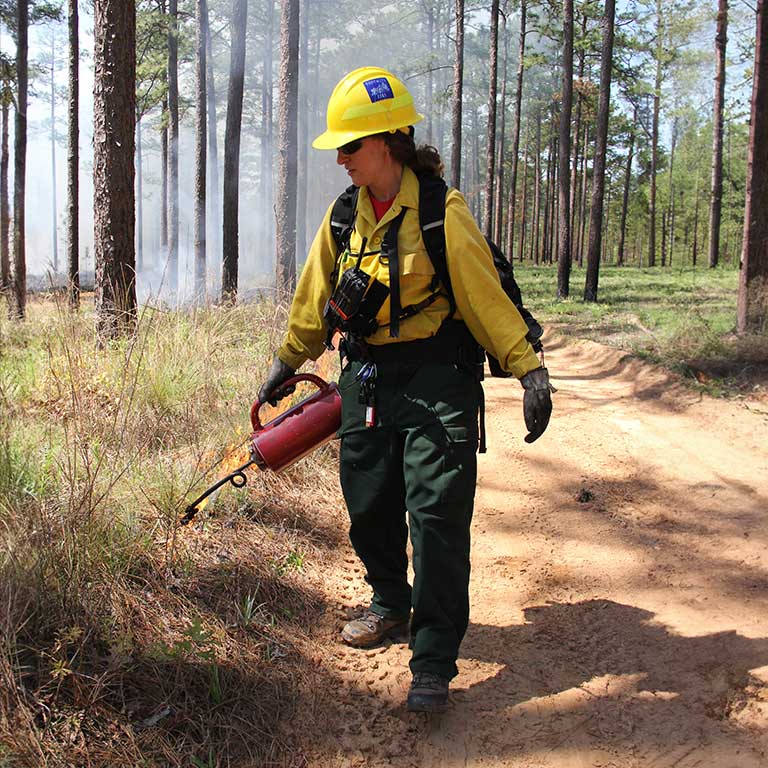
Prescribed burning is an integral part of the cultural heritage of the Southern coastal plains going back to pre-colonial times. Prescribed fire is “good fire” that limits the risk of catastrophic wildfire, so its smoke is a signal that safety measures are taking place.
In The News
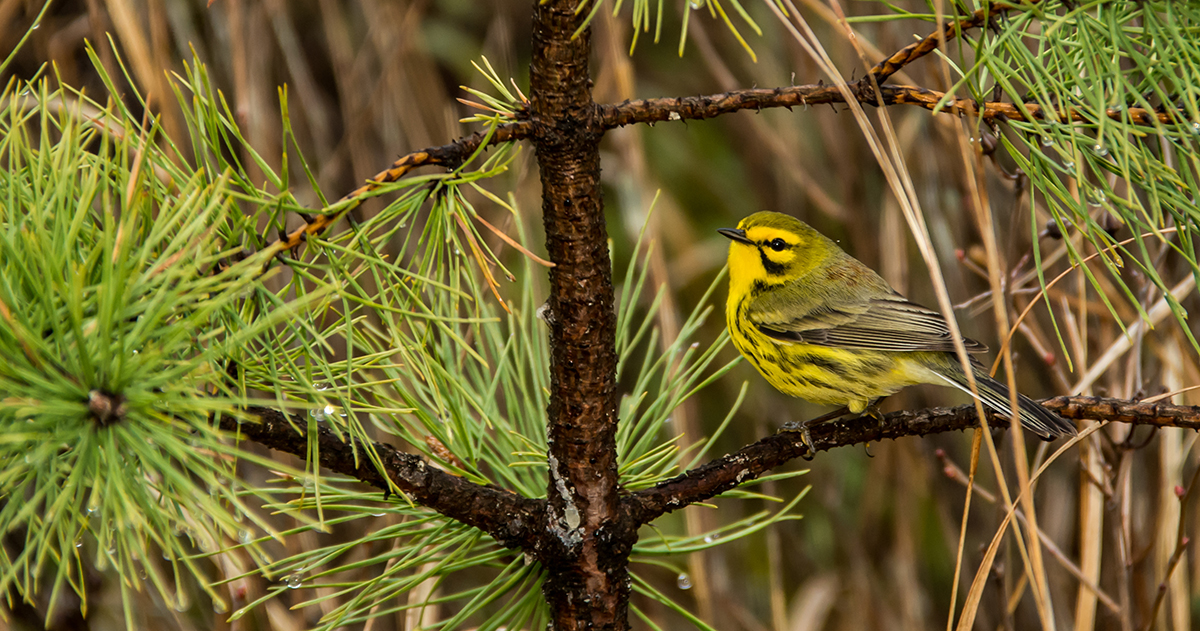
East Gulf Coastal Plain Joint Venture (EGCPJV) Partner and Staff News – October 2026
October 1, 2026
Check out the second Quarterly Report from the East Gulf Coastal Plain Joint Venture.
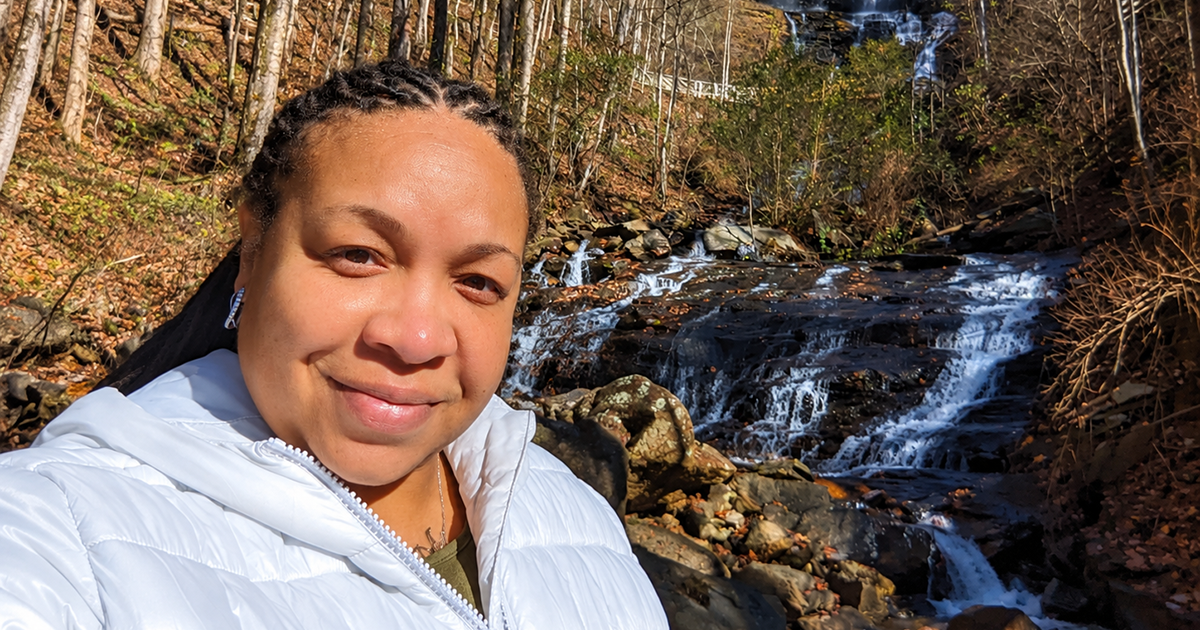
Meet the Newest EGCPJV Board Member, Daffny Pitchford, USFWS Deputy Regional Director, Southeast Region
October 1, 2026
Daffny Pitchford has built a career around two things that continue to guide her work: people and the natural world. She joined the U.S. Fish and Wildlife Service in August 1998 and has spent more than 28 years serving in a wide range of programs and leadership roles across the Southeast.
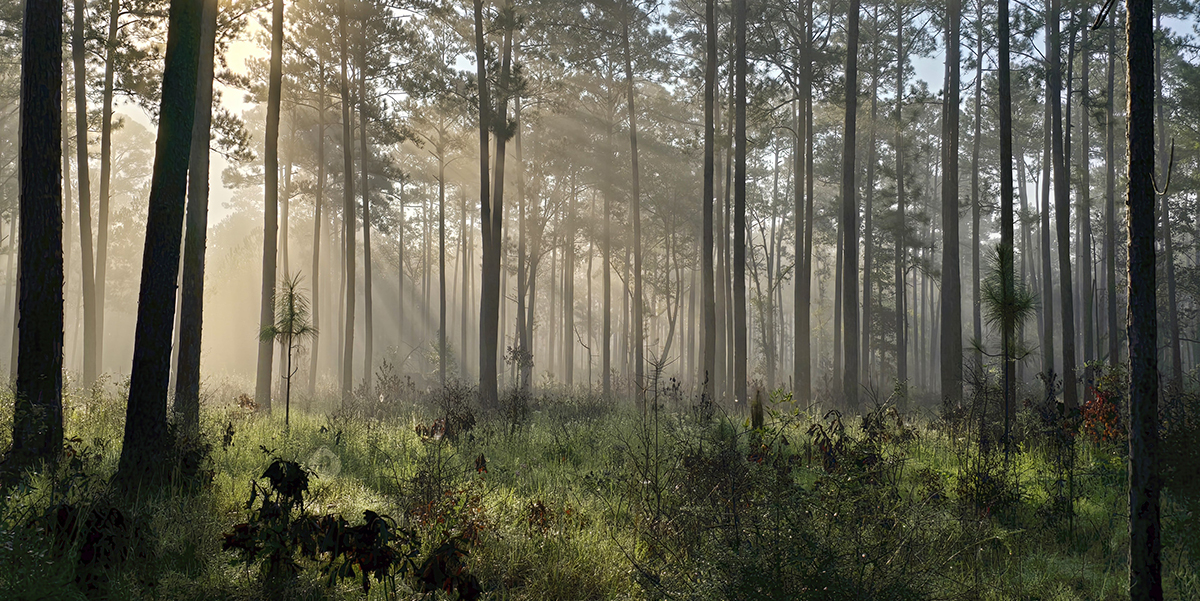
Implementing Goals of EGCPJV Landbird Plan in Conecuh National Forest
September 28, 2026
Across the nation, the U.S. Fish and Wildlife Service’s Partners for Fish and Wildlife Program collaborates with private landowners who share a passion for conservation to improve habitat for the benefit of game species, migratory birds, pollinators, and federally listed species. Through technical and financial assistance, the program seeks to assist landowners in meeting their land management objectives, while also improving habitat for wildlife.