
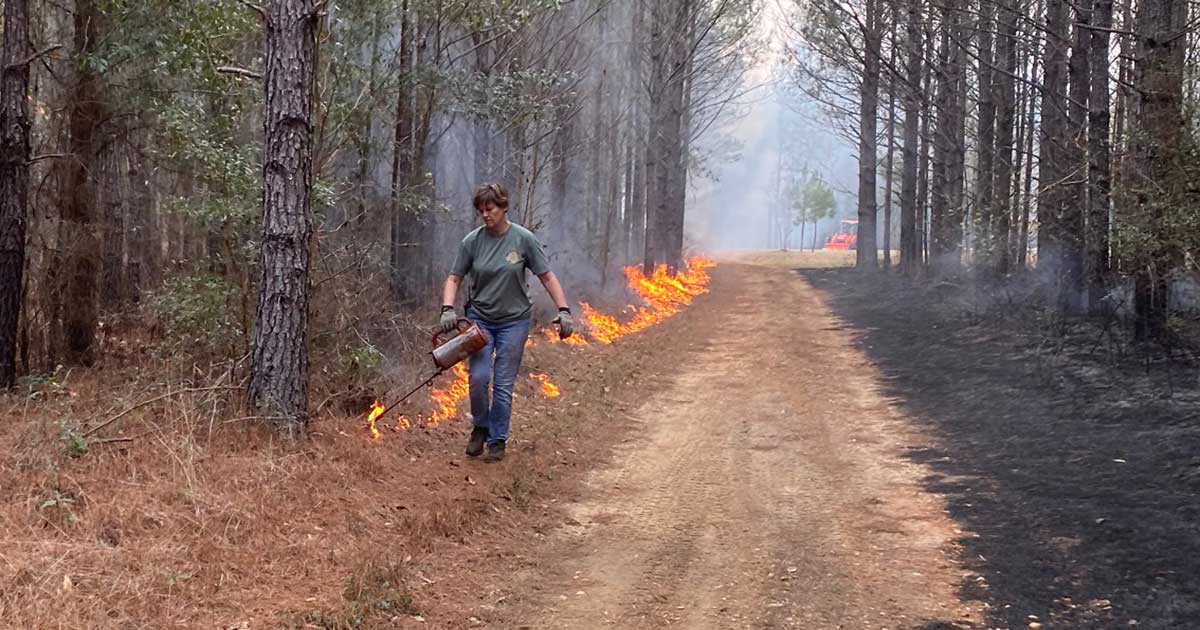
Prescribed fire is one of the most effective tools available for land management. It reduces hazardous fuel buildup, improves wildlife habitat, recycles nutrients, controls unwanted vegetation, and promotes a diverse groundcover of native grasses and wildflowers. Just as importantly, prescribed fire helps reduce the risk of catastrophic wildfires by slowing fire behavior and giving firefighters the time and space needed to protect lives and property.
However, applying fire on the landscape is not simple. It requires training, equipment, planning, and the ability to safely manage risk. For many private landowners, these barriers prevent fire from being used—even when it is needed.
Prescribed Burn Associations (PBAs) were developed to overcome these challenges and provide a needed framework for landowners to work together in safely implementing prescribed fire. Through shared labor, equipment, and knowledge, PBAs reduce costs, improve safety, and build confidence among participants. They also serve as a platform for education, allowing landowners to gain hands-on experience and better understand how fire can be used effectively on their property.
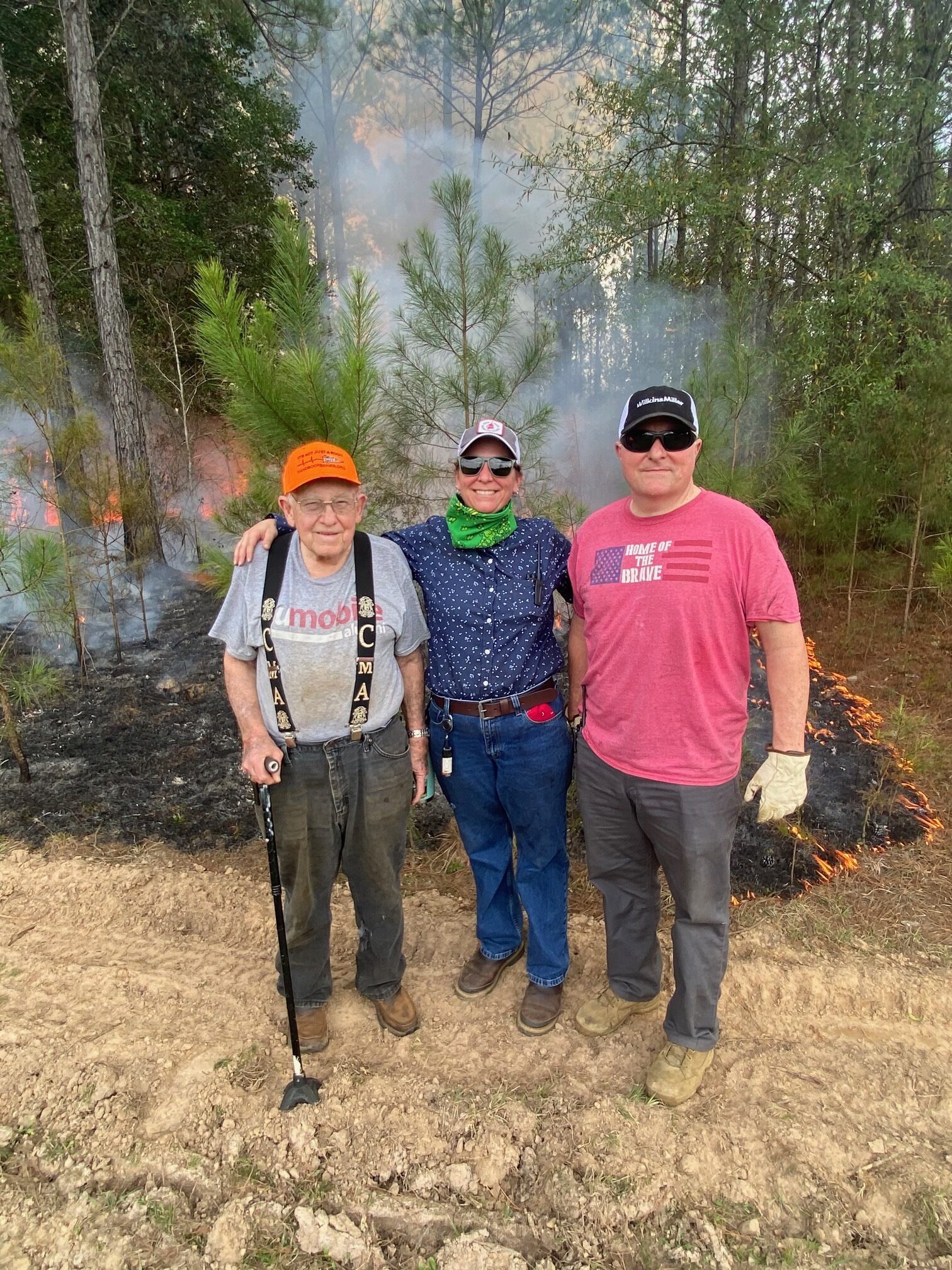
The Southern Pine Hills Prescribed Burn Association (SPHPBA) is a strong example of this model in action. Serving southwest Alabama, the association is a landowner-driven nonprofit focused on landowners’ safe and effective use of prescribed fire. The program is coordinated by Gary Jarvis, with support from Tall Timbers, and operates on a cooperative model built around neighbors helping neighbors.
The impact has been significant.
In the first quarter of 2026:
- Membership increased by 36%, growing to 61 landowners and 51 properties
- More than 25,000 acres are under management
- 19 prescribed burns have been completed with nearly 1,150 acres burned
This growth reflects a clear demand. Many landowners want to use fire but lack the experience, equipment, or support to do it safely. The PBA addresses those needs —turning interest into action and putting fire back on the ground where it belongs. Beyond the acres treated, the PBA is building something equally important: a stronger, more connected landowner community. Members gain the skills and confidence needed to manage their land while also contributing to a broader culture of stewardship.
With experience, participants often become advocates for prescribed fire in their communities—helping expand its use and acceptance across the landscape.The results are measurable: healthier forests, improved wildlife habitat, reduced wildfire risk, and stronger relationships between landowners and land managers.
Ultimately, the success of the Southern Pine Hills PBA demonstrates that prescribed fire is not just a management tool—it is a shared responsibility. By working together, landowners are restoring a critical ecological process while protecting the landscapes and communities they depend on.

Southern Pine Hills Prescribed Burn Assocation
What is a prescribed Burn Association?
Neighbor helping neighbor. Prescribed Burn Associations provide an avenue to teach competence in conducting all burns safely, provide an economical way for even small acreage landowners to return fire to their land, and to improve the community’s understanding and attitude towards fire in the landscape.