
Across the nation, the U.S. Fish and Wildlife Service’s Partners for Fish and Wildlife Program collaborates with private landowners who share a passion for conservation to improve habitat for the benefit of game species, migratory birds, pollinators, and federally listed species. Through technical and financial assistance, the program seeks to assist landowners in meeting their land management objectives, while also improving habitat for wildlife.
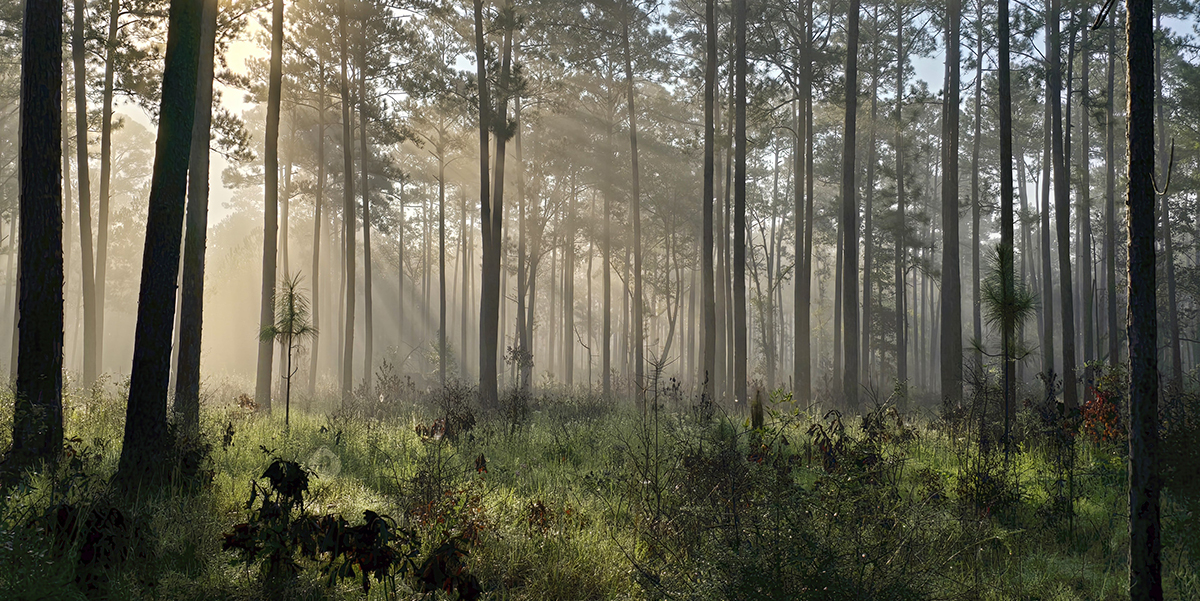
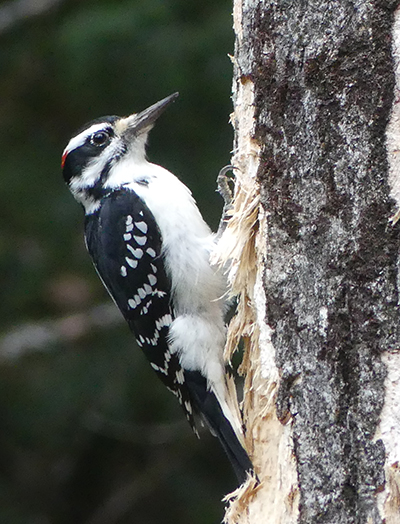
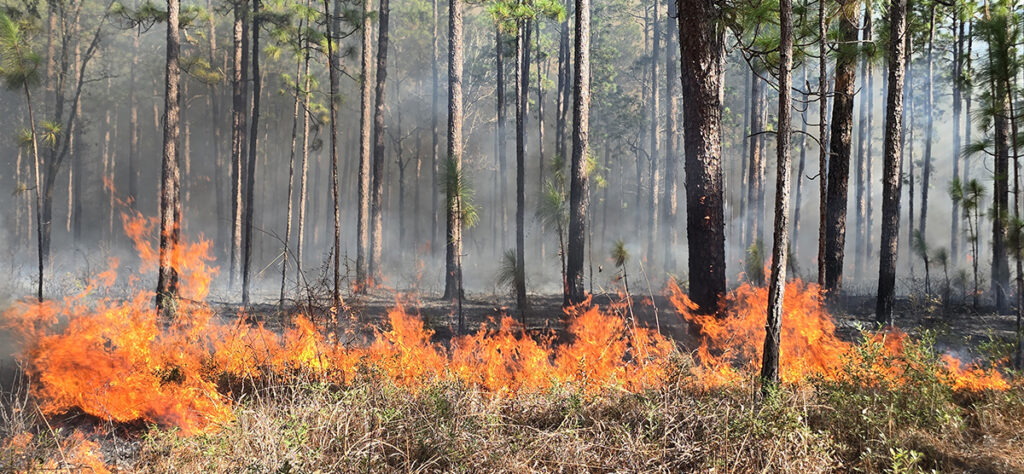
In Alabama, the Partners for Fish and Wildlife Program is fortunate to collaborate with The Longleaf Alliance, the National Wild Turkey Federation (NWTF), CAWACO RC&D Council, the Natural Resource Conservation Service, and conservation-minded private landowners who have a commitment to establish and enhance fire-maintained longleaf pine. A priority area for these efforts are the private lands surrounding the Conecuh National Forest. By converting stands of dense loblolly pine to low-density longleaf pine and reintroducing prescribed fire into existing longleaf stands, frequent low-intensity burns can be used to reduce competition from woody vegetation and promote an understory of native grasses and forbs. By focusing these management actions on the landscape surrounding Conecuh National Forest and several surrounding units of state-managed public lands, the program is helping to deliver the goals and objectives of the East Gulf Coastal Plain Joint Venture’s Landbird Conservation Plan and strategically benefits federally listed species including red-cockaded woodpecker and eastern-indigo snake.. Beyond endangered and threatened species these actions benefit birds of concern including northern bobwhite and Bachman’s sparrow, and pollinators including monarch butterfly.
Since 2025the U.S. Fish and Wildlife Service’s Partners for Fish and Wildlife Program has improved habitat on over 800 acres through completed projects and projects in progress, including 650 acres of prescribed fire and 150 acres of newly established stands of longleaf pine. These projects are made possible through the hard work and generosity of partnering organizations including the NWTF Habitat for the Hatch Initiative and The Longleaf Alliance.
For more information, please contact Matthew Hodges (Partners for Fish and Wildlife Biologist, [email protected], 251-243-3301)