
Fight Fire With Fire
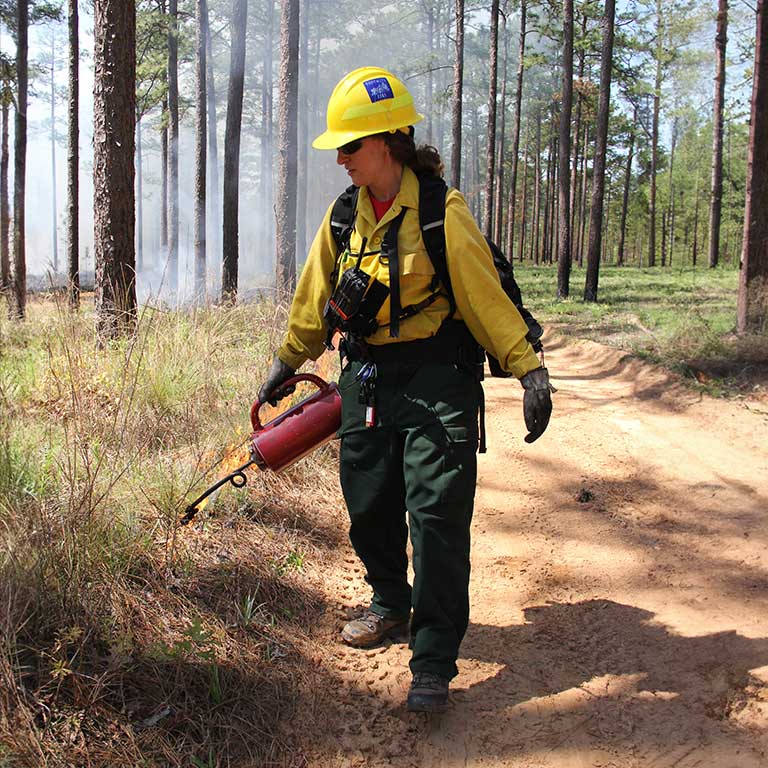
Why Prescribe a Fire?
Because our southern forests and grasslands need periodic fire the same way your garden needs periodic weeding.
Fire is as natural as rain, sunshine and blue skies
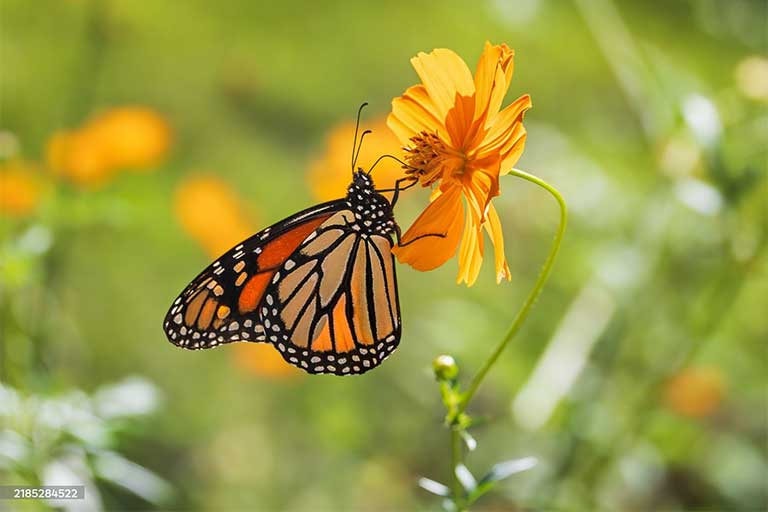
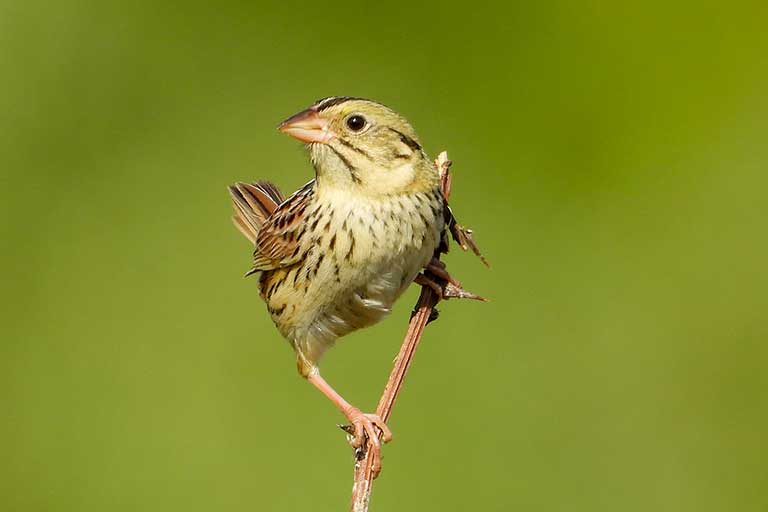
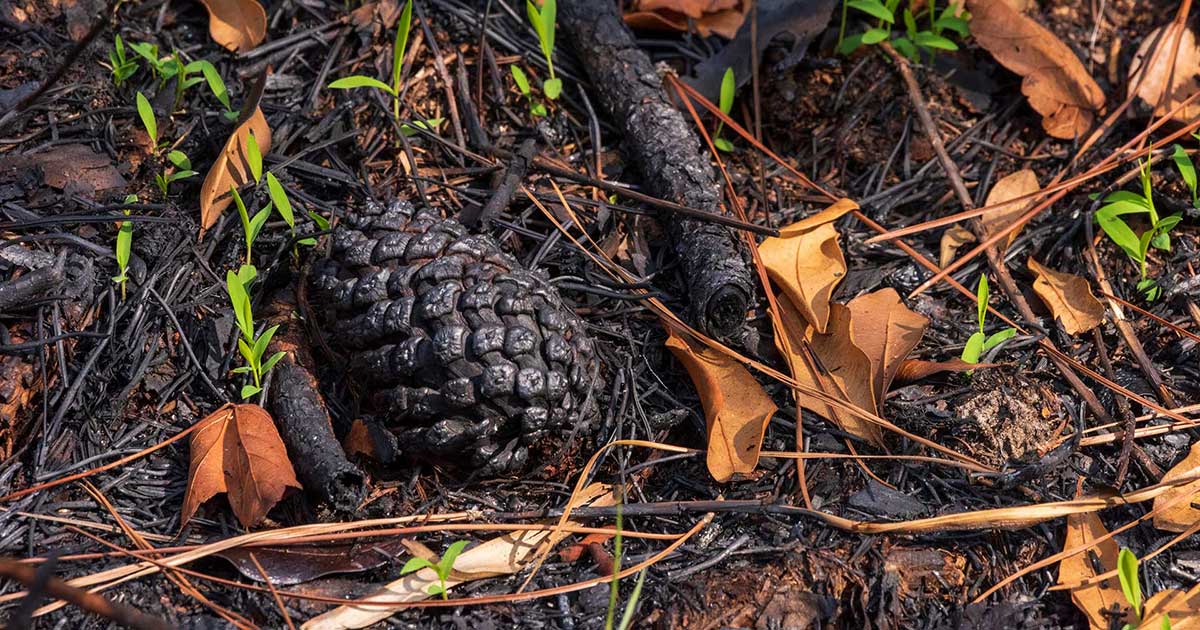
Most habitats in the Southeast are fire-adapted. They need periodic fire to stay healthy. Those fires historically came from Native Americans and lightning; now they come primarily from land managers and owners. “Prescribed fire” is a managed fire that clears underbrush, renews the forest, recycles soil nutrients, controls pests, and allows a greater diversity of grasses and wildflowers to grow. Species that rely on these refreshed habitats include monarch butterflies and other pollinating insects, deer, game birds, many songbirds, and even amphibians and reptiles.


Prescribed Fire for a Forest in Balance
Prescribed burning is an integral part of the cultural heritage of the Southern coastal plains going back to pre-colonial times. Prescribed burning is also a private property right. Prescribed fire is “good fire” that limits the risk of catastrophic wildfire, so its smoke is a signal that safety measures are taking place.
Our Communication Strategy for Prescribed Fire
Almost all Southeastern upland systems, as well as some types of wetlands, have been shaped and maintained by periodic fire. Decades of fire suppression have degraded these systems and have changed the human perception of fire and its role on our landscape. Prescribed fire serves as a crucial management tool to restore and maintain these habitats, and its use is a critically important issue in the Southeast.
Resources

A Burning Issue: Prescribed Fire and Fire-adapted Habitats of the East Gulf Coastal Plain
The EGCPJV’s vision for prescribed fire in the Southeast is to maintain and restore fire regimes through an increased use and acceptance of prescribed fire, since fire has historically and evolutionarily played a critical role in the health of East Gulf Coastal Plain upland systems and marshes.
Download Strategy